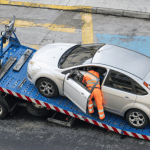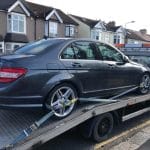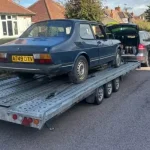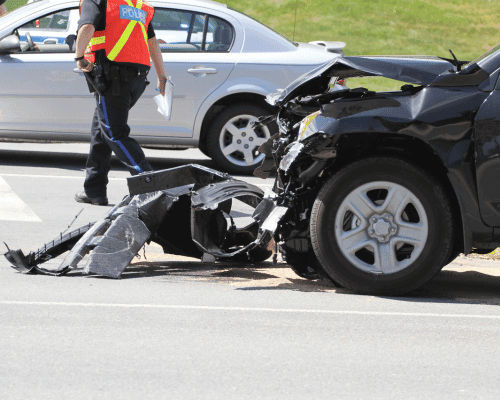
After a road accident, the immediate priority is the safety of everyone involved. Once people are safe and the necessary emergency steps have been taken, the next concern is often what to do with a damaged vehicle. This is where professional accident recovery services Liverpool can provide practical help.
A damaged car may look driveable after a collision, but that does not always mean it is safe to drive. Steering, brakes, suspension, wheels, lights, or other important components may have been affected. Trying to drive a damaged vehicle away from an accident scene can make the situation worse.
For this reason, professional accident recovery should begin with an assessment of the vehicle and its surroundings. The recovery operator needs to understand the level of damage, where the vehicle is positioned, and whether it can be moved normally.
From my experience, giving clear information when requesting recovery makes the process much easier. Tell the recovery company where the accident happened, whether anyone is injured, whether the vehicle can move, and what visible damage you can see. This helps them prepare the right equipment before arriving.
Accident Recovery Liverpool After a Collision
Finding reliable accident recovery Liverpool assistance can be important when a vehicle is damaged and cannot safely continue its journey. The accident may have happened on a residential road, a busy city route, a dual carriageway, or another location where leaving the vehicle creates additional problems.
The recovery operator can assess how the vehicle needs to be collected. A car with minor body damage may be relatively simple to load, while one with damaged wheels, steering, or suspension may require more careful handling.
The vehicle may then be taken to a garage, body shop, storage facility, home address, or another agreed destination. The correct destination should be confirmed before the recovery begins.
If the vehicle is blocking traffic, mention this when calling. The position of the vehicle can affect the urgency and the type of equipment required.
Car Accident Recovery When Your Vehicle Cannot Be Driven
car accident recovery is often necessary when a vehicle has suffered enough damage that driving it is no longer safe. Even if the engine starts, the car may have hidden mechanical or structural problems.
For example, a collision can affect the alignment of the wheels, steering components, braking system, suspension, or underbody. These problems may not always be obvious from a quick visual inspection.
A professional recovery operator can consider the condition of the car before attempting to move it. If the wheels cannot roll correctly, specialist loading equipment may be needed.
This approach is safer than trying to force a damaged vehicle back onto the road. It also reduces the chance of turning accident damage into additional mechanical damage.
Emergency Accident Recovery for Urgent Situations
Some collisions require immediate assistance. emergency accident recovery may be needed when a vehicle is left in a dangerous position, blocking traffic, or preventing other vehicles from passing safely.
If an accident has just happened, follow the relevant emergency and road safety procedures first. If anyone is injured or there is an immediate danger, contact the appropriate emergency services.
Once the situation is under control, provide the recovery company with accurate information. Tell them where the vehicle is and whether it is obstructing the road.
Night-time accidents require particular care because damaged vehicles can be harder for approaching drivers to see. Poor weather can also make the recovery more difficult.
The recovery operator can then determine how the vehicle should be approached, loaded, and transported.
Vehicle Accident Recovery for Heavily Damaged Cars
vehicle accident recovery is not limited to ordinary cars. Vans and other vehicles may also require professional recovery after a collision.
The size, weight, and condition of the vehicle can affect the equipment required. A larger vehicle or one carrying a load may need different recovery arrangements from a standard passenger car.
If the vehicle has damaged wheels or cannot roll, tell the recovery company before they arrive. The same applies if the vehicle is trapped against another object or is positioned in a difficult location.
Providing this information allows the operator to prepare for the collection rather than discovering the problem only after arriving.
Accident Towing and Safe Vehicle Transportation
accident towing requires more care than ordinary vehicle transportation because the car may have damaged components or an unstable structure.
The recovery operator should first determine how the vehicle can be moved without creating additional damage. Depending on the condition, it may need to be lifted, winched, or loaded onto a suitable recovery vehicle.
A damaged vehicle should not be treated in the same way as a fully operational car. For example, if a wheel has been badly damaged, normal towing methods may not be suitable.
Professional equipment helps keep the vehicle secure during transportation. This is particularly important when taking an accident-damaged car to a garage or body repair centre.
What to Tell the Recovery Company
When arranging accident recovery services Liverpool, provide as much useful information as possible.
Start with the exact location. Give the road name, postcode, nearby junction, landmark, or other location details. If the accident happened on a major road, provide the direction of travel and nearest junction if known.
Then describe the vehicle. Give the make, model, registration, and approximate size. Explain whether the engine starts and whether the vehicle can move.
Next, describe the visible damage. Mention damaged wheels, broken glass, body damage, leaking fluids, steering problems, or anything else you have noticed.
You do not need to diagnose the mechanical condition yourself. A simple description of what you can see is enough for the recovery company to prepare.
Where Should an Accident-Damaged Vehicle Go?
After accident recovery Liverpool, the vehicle needs to be taken somewhere suitable for inspection or repair. The correct destination depends on the circumstances.
A garage can inspect mechanical problems, while a body repair shop may deal with damaged panels, bumpers, doors, lights, and other exterior components.
Some drivers may prefer the vehicle to be taken home temporarily. However, this may not always be appropriate if the vehicle is badly damaged or unsafe.
If you have insurance involved, check whether your insurer has specific requirements regarding where the vehicle should be taken. Following the correct process can make the later repair and claim process easier.
Avoid Driving a Damaged Vehicle After an Accident
One of the most common mistakes after a collision is assuming that a car is safe simply because it starts.
A vehicle can have hidden damage that affects its braking, steering, suspension, or structural integrity. Driving it may increase the risk of another incident.
If you are unsure about the condition of the vehicle, professional car accident recovery is a safer option than taking unnecessary risks.
A recovery operator can transport the vehicle to a suitable location where a qualified mechanic or body repair specialist can inspect it properly.
Recovery From Different Accident Locations
An accident can happen almost anywhere, and the recovery process may change depending on the location.
A vehicle on a quiet residential road may be relatively easy to access. A damaged car on a busy road can require faster coordination because it may affect other traffic.
Motorway and high-speed road incidents require particular attention to safety. Drivers should avoid standing near moving traffic and follow the relevant roadside safety instructions.
A car stuck in a car park, narrow street, or restricted-access area can also present challenges. Tell the recovery company about access restrictions when booking so they can select suitable equipment.
Handling Personal Belongings and Vehicle Documents
Before the vehicle is recovered, check for important personal belongings if it is safe to access the car. Remove valuables, documents, electronic devices, and other items you may need.
If the vehicle cannot be accessed safely, do not put yourself at risk simply to retrieve something.
It is also useful to keep your vehicle registration and insurance information available. These details may be required by the recovery provider, insurer, or repair centre.
After an accident, taking photographs of the vehicle and surrounding scene may also be useful for insurance purposes when it is safe and appropriate to do so. Avoid putting yourself or anyone else in danger just to obtain photographs.
Working With Your Insurance Company
After an accident, the recovery process may form part of an insurance claim. Some insurance policies provide recovery or accident assistance, while others may have specific arrangements with approved repair centres.
Before paying for private recovery, check your policy if you have time and the situation is safe. If the accident requires immediate recovery, safety should come first.
Keep records of the recovery company, collection location, destination, and any paperwork or receipts provided.
Clear communication between the driver, recovery operator, insurer, and repair centre can help prevent confusion about where the vehicle has been taken.
Why Professional Accident Recovery Matters
A collision can leave a vehicle in a condition that is difficult to judge from the outside. What appears to be minor bodywork damage may hide problems underneath.
Professional vehicle accident recovery provides a controlled way to move the vehicle without relying on guesswork. The recovery operator can assess the vehicle’s position and condition, select appropriate equipment, and transport it to the agreed destination.
Whether the situation requires emergency accident recovery, accident towing, or standard accident recovery, the process should always focus on safety first and careful vehicle handling. This is particularly important when the vehicle has damaged wheels, steering, suspension, brakes, or other components that could make normal driving unsafe.