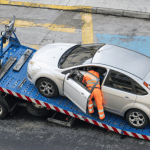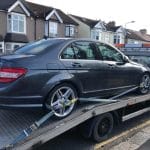
Searching for motorway recovery near me usually means you need help in a situation where safety and time both matter. A vehicle can break down on a motorway because of a flat battery, puncture, overheating, engine failure, clutch problems, electrical faults, or running out of fuel. Unlike a normal roadside breakdown, a motorway incident can expose the driver and passengers to fast-moving traffic, so the situation needs to be handled carefully.
If your vehicle starts showing serious warning signs while travelling, try to leave the motorway at the next safe opportunity if the vehicle can still be driven safely. If it suddenly loses power, concentrate on getting to a safe position rather than trying to diagnose the fault yourself.
From my experience dealing with recovery situations, drivers often become focused on getting the vehicle running again and forget about their own safety. The recovery process should always start with the people involved, followed by securing and moving the vehicle.
Finding Motorway Breakdown Assistance
motorway breakdown assistance is designed to help drivers whose vehicles have stopped or developed a serious problem while travelling on a motorway. Depending on the situation, assistance may involve a roadside repair, battery support, tyre assistance, fuel assistance, or full vehicle transportation.
When contacting a recovery provider, explain exactly where you are. Give the motorway number, direction of travel, nearest junction, service area, or other location information you can identify. If you can provide a motorway marker or emergency roadside location reference, that can be even more helpful.
Also explain whether the vehicle is on the hard shoulder, in a live lane, at an exit, or in another position. This information helps the recovery operator understand the level of urgency and prepare appropriately.
How Motorway Breakdown Recovery Works
Professional motorway breakdown recovery begins with assessing the situation. The recovery operator needs to know whether the vehicle can move and whether there is any immediate danger.
If the vehicle can be repaired safely, the recovery team may attempt a suitable roadside solution. A flat battery or puncture, for example, may not require the vehicle to be transported to a garage.
However, some faults cannot be fixed at the roadside. A failed gearbox, serious engine problem, major electrical fault, or accident damage may require the vehicle to be removed from the motorway.
In these cases, the recovery operator can use suitable equipment to move the vehicle to a safer location, garage, or other agreed destination.
Motorway Recovery Service for Different Vehicles
A reliable motorway recovery service should be prepared for different types of vehicles. Cars, vans, and larger vehicles can have different recovery requirements.
Vehicle size and weight are important when selecting recovery equipment. A heavily loaded van, for example, may require different equipment from a small passenger car.
The condition of the vehicle also matters. If the wheels, steering, suspension, or brakes have been damaged, the recovery operator needs to know before arriving.
Providing accurate information at the start helps reduce the chance of delays caused by unsuitable equipment.
Emergency Motorway Recovery When Safety Is at Risk
Some motorway incidents require immediate action. emergency motorway recovery may be necessary when a vehicle is blocking a live lane, has been involved in a collision, or has stopped in a particularly dangerous position.
In an emergency, do not attempt unnecessary repairs next to moving traffic. Follow the relevant motorway safety guidance and move yourself and passengers to a safe place where possible.
When speaking to the recovery provider, make the emergency clear. Tell them if the vehicle is obstructing traffic, if passengers are vulnerable, or if there is another immediate hazard.
The recovery team can then understand that this is not a routine garage collection and can respond accordingly.
Motorway Vehicle Recovery After a Serious Fault
motorway vehicle recovery is needed when a vehicle cannot safely continue its journey. The reason could be mechanical failure, electrical problems, accident damage, or another issue that prevents normal driving.
Once the vehicle is recovered, the next destination depends on the circumstances. It may be taken to a nearby garage for diagnosis, returned to the driver’s home, or transported to another suitable location.
The recovery operator should consider the condition of the vehicle before loading it. If the wheels are damaged or cannot turn, specialist equipment may be needed.
This is especially important after an accident. Even if the vehicle looks relatively normal from the outside, damage to the steering, suspension, brakes, or chassis can make normal driving unsafe.
What to Do Before the Recovery Driver Arrives
When you have requested motorway recovery near me, there are several things you can do while waiting, but safety should remain the priority.
If you can safely move away from the vehicle and reach a protected area, do so according to the applicable motorway safety guidance. Avoid standing beside the vehicle or walking around the carriageway.
Keep your phone available so the recovery company can contact you. If your location changes, update them immediately.
If it is safe to do so, have the vehicle registration and basic details ready. Tell the recovery operator what happened and whether the vehicle can move.
Do not attempt a repair simply because you think it will save time. A motorway is not the same as a quiet residential road, and the risks of working beside fast-moving traffic are much higher.
Common Reasons for Motorway Breakdowns
Motorway breakdowns can happen for many reasons. Some problems develop slowly, while others occur without much warning.
Battery failure is common, particularly when a battery is old or electrical systems have been under heavy use. Tyre problems can also cause sudden difficulties, especially if a tyre is damaged at high speed.
Overheating, low engine fluids, clutch problems, gearbox faults, and electrical failures can also leave a vehicle unable to continue.
Regular vehicle maintenance can reduce the risk of some failures, but it cannot prevent every breakdown. Even a well-maintained vehicle can experience an unexpected mechanical or electrical problem.
Giving Accurate Location Information
One of the simplest ways to speed up motorway breakdown assistance is to provide accurate location details.
If you know the motorway number and direction of travel, give both. A junction number can narrow down your position further. Motorway service areas, nearby signs, and marker information can also help.
Do not rely only on saying that you are “near a certain town.” A motorway can pass through several areas, and the recovery driver needs to know which carriageway you are on.
If your vehicle is in a live lane, tell the recovery operator immediately. The difference between a vehicle safely parked and one obstructing traffic can significantly change the urgency of the situation.
Why the Right Recovery Equipment Matters
A motorway recovery vehicle needs to be appropriate for the job. A normal towing setup may not be suitable for every breakdown.
For example, a vehicle with damaged wheels may not roll normally. A car with steering problems may require careful loading. A larger commercial vehicle may need equipment capable of safely handling its additional weight.
A professional motorway recovery service will consider these factors when arranging the recovery. This is another reason why accurate information at the time of booking is important.
Trying to save money by using unsuitable towing equipment can lead to additional damage and create unnecessary safety risks.
Taking the Vehicle to a Garage
After the immediate motorway danger has been dealt with, the vehicle may need to be taken to a garage for a full inspection.
If the vehicle has suffered a major mechanical fault, do not assume that a temporary roadside repair means the underlying problem has disappeared. A mechanic may need to inspect the vehicle before it is used again.
When arranging transportation, confirm the garage address and whether it can receive the vehicle. If the garage is closed, ask the recovery operator about alternative arrangements.
A clear destination also helps avoid additional travel or changes to the recovery plan later.
Preparing for Future Motorway Problems
Although no driver can completely eliminate the possibility of a breakdown, preparation can make a difficult situation easier.
Before a long motorway journey, check the tyres, oil and coolant levels, lights, fuel level, and general condition of the vehicle. Make sure your phone is charged and keep important vehicle information accessible.
It is also useful to know what breakdown or recovery cover you already have. If you need emergency motorway recovery, knowing who to contact can save valuable time.
Most importantly, understand that motorway recovery is not simply about getting a vehicle to a garage. It is about dealing with the vehicle safely in an environment where traffic moves quickly and conditions can change within seconds.
A professional recovery operator can assess the situation, provide suitable motorway breakdown recovery, and arrange motorway vehicle recovery when the vehicle cannot safely continue its journey.