A puncture does not always mean the vehicle must be recovered, but driving on tyre or wheel damage can quickly make the problem worse. The correct choice depends on the damage, tyre pressure, road conditions and whether a safe spare wheel is available. This guide explains whether you can drive with a puncture and when recovery is the safer option in Sheffield.
Stop When the Vehicle Feels Different
Pull over safely if the steering begins to pull, the vehicle vibrates, you hear repeated flapping or the tyre-pressure warning appears. Reduce speed gradually and avoid sudden steering or braking.
Switch on the hazard lights and stop somewhere away from moving traffic if possible.
Do Not Drive on a Flat Tyre
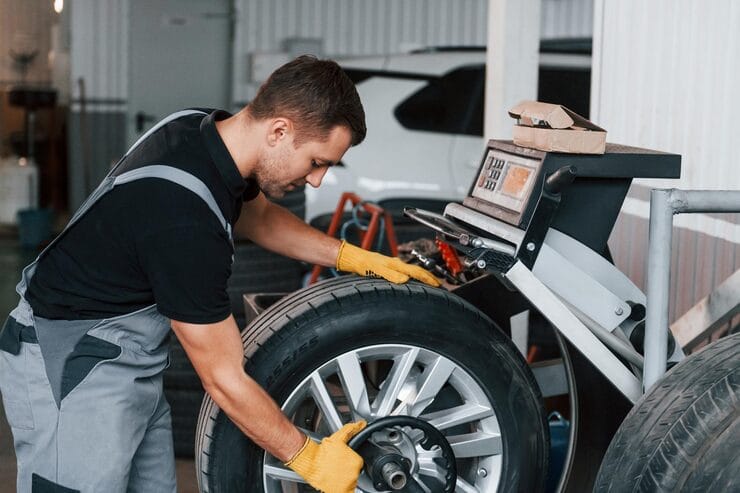
A tyre without sufficient pressure cannot support the vehicle correctly. Continuing to drive can damage the sidewall, wheel rim, steering and suspension. It can also reduce braking and handling.
Even when the destination is nearby, the safer choice is to stop and assess the available options.
Can a Slow Puncture Be Driven?
A slow loss of pressure may not feel as dramatic as a blowout, but it still requires attention. If pressure is dropping, the tyre may be damaged by an object, valve problem or sidewall fault.
Do not repeatedly add air and ignore the cause. Follow the vehicle and tyre manufacturer’s guidance and arrange professional inspection.
When a Tyre-Inflation Kit May Help
Some vehicles include a sealant and compressor instead of a spare wheel. These kits are intended for limited punctures and temporary use. They may not work on sidewall damage, large holes, damaged rims or tyres that have separated from the wheel.
Read the instructions and observe all speed and distance limitations. A temporary seal does not replace a tyre inspection.
When It Is Safe to Use a Spare Wheel
Only change a wheel on firm, level ground away from traffic. The jack must have a stable lifting point, and the vehicle should be secured according to its handbook.
Do not attempt a wheel change on a motorway carriageway, narrow verge, steep slope or anywhere you would be exposed to passing vehicles.
Signs That Recovery Is Required
- No usable spare or suitable repair kit is available
- The wheel is bent, cracked or will not rotate
- The tyre sidewall is torn or has separated
- Steering or suspension appears damaged
- The vehicle is in an unsafe roadside position
- More than one tyre is damaged
- The car cannot be lifted safely
Roadside Assistance for Tyre Problems
If the vehicle is in a safe position, roadside assistance may help assess the situation and fit an available spare where appropriate.
Tell the operator which wheel is affected, whether a spare is present and whether the vehicle can roll and steer.
Recovering a Vehicle With Wheel Damage
A car with a damaged rim, locked wheel or suspension problem may require additional loading care. Explain the visible condition before assistance is dispatched.
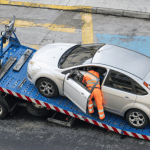
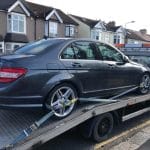
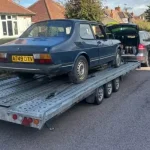
Professional vehicle recovery can transport the car to a tyre specialist or garage without driving it on unsafe components.
Punctures on Motorways
If possible, leave the motorway or stop in an emergency area. Move away from traffic when it is safe and wait behind a barrier. Never attempt a wheel change beside fast-moving traffic.
Call 999 if the vehicle is stopped in a live lane or there is immediate danger.
Information to Have Ready
- Exact location and direction of travel
- Vehicle registration, make and model
- Which tyre or wheel is damaged
- Whether a spare wheel is available
- Whether the vehicle rolls and steers
- Your preferred recovery destination
Tyre-Damage Recovery in Sheffield
DK’s Recovery provides roadside and vehicle recovery support in Sheffield and confirmed surrounding service areas. Availability and the suitable response depend on the vehicle, location and damage.
Call +44 7867 860723 or use the contact page to explain the problem and confirm assistance.