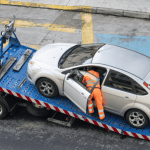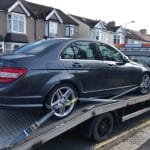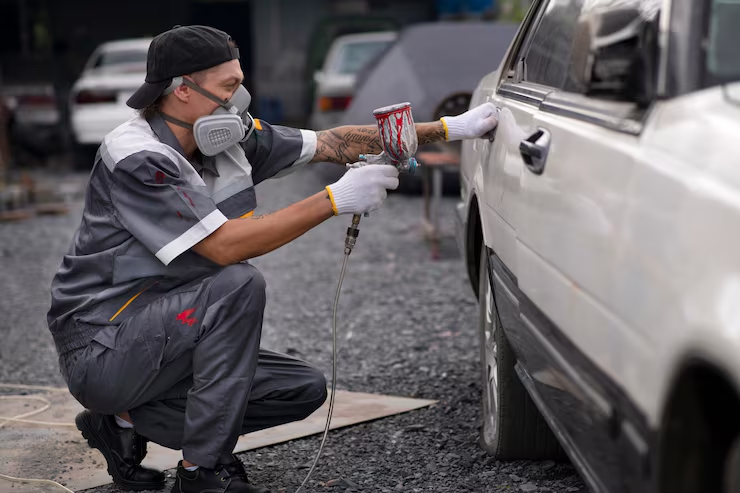
Recovery gets your car off the road. What happens after that — the claim, the assessment, the repair and getting it back — is where most of the time and most of the frustration sits.
DK’s Recovery covers Sheffield and South Yorkshire 24 hours a day for accident recovery and transport to your chosen repairer. Call 07867 860723.
Tell your insurer before you commit to anything
Report the incident even if you are not sure you will claim — policies generally require it, and a late notification can cause problems later. Reporting is not the same as claiming.
Do not authorise repairs before speaking to them. Work approved outside the process can end up as work you pay for.
You choose the repairer
Insurers have approved networks and will steer you firmly towards them. Convenient, and often perfectly good — but you are entitled to nominate your own, particularly in a non-fault claim.
If you use your own, ask up front how the rates work. The insurer may pay their network rate and leave you the difference. Better to know that at the start than at collection.
The assessment
An engineer inspects the car and decides whether it is economical to repair. That cannot happen while the vehicle is somewhere they cannot reach it, which is the practical reason to get it to an agreed location quickly rather than leaving it at the roadside or in a compound accruing storage.
If the repair cost approaches the car’s pre-accident value it is written off — which does not always mean dramatic damage. Our guide to what happens to your car after an accident covers the write-off categories.
Questions worth asking before work starts
- Is this quote for the visible damage, or has the car been stripped to check underneath?
- Are the parts new, used or aftermarket?
- Are the parts in stock or on order?
- Does the price include recalibrating any cameras or sensors affected?
- What is the warranty on the work, and is it transferable?
That fourth one increasingly matters. Bumpers, mirrors and windscreens carry sensors for automatic braking and lane assist, and those need recalibrating after replacement or they misjudge the road.
Courtesy cars and credit hire
Check whether a courtesy car is guaranteed or subject to availability, and what size you are entitled to. In a non-fault claim you may be offered a credit hire vehicle instead — often a nicer car, on an agreement with real terms attached. Read it rather than signing it at the counter.
Collecting it
Do it in daylight and do not be rushed. Check paint match from different angles, panel gaps against the undamaged side, every door and the boot opening and closing cleanly, all lights and electrics, and the tyre pressures.
Drive it before you sign if you can. Anything that sounds or feels new is far easier to raise in the yard than a week later.
Getting it there and back
A car that cannot be driven needs moving twice — once from the scene, once to the repairer if it went elsewhere first. Ask who is arranging and paying for the second move before assuming it is in hand.
Common questions
Do I have to use the repairer my insurer recommends?
No. Insurers have approved networks and will steer you towards them, but you are entitled to nominate your own repairer – particularly in a non-fault claim. Using your own may mean the insurer pays their rate and you cover any difference, so ask before committing.
How long will the repair take?
Ask for an estimate in writing at the start. Parts availability is the usual delay rather than the labour, and it is worth asking specifically whether the parts are in stock or on order before you plan around a date.
Will I get a courtesy car?
Often, but check whether it is guaranteed or subject to availability, and what size vehicle you are entitled to. In a non-fault claim a credit hire vehicle may be offered instead – read what you are signing, because those agreements have terms worth understanding.
Should I accept a cash settlement instead of the repair?
Sometimes it is the better option, particularly on an older car you intend to keep. Be aware the damage stays on the vehicle’s record and unrepaired accident damage affects both resale value and the next MOT.
What should I check when I collect the car?
In daylight, unhurried: paint match in different lights, panel gaps against the other side, doors and boot opening and closing properly, all electrics and lights working, and the tyre pressures. Drive it before you sign if you can, listening for anything new.
Who pays for the recovery and storage?
In a non-fault claim, the other driver’s insurer generally covers both. Keep the paperwork we give you showing what was recovered, from where and to where – it is what your insurer will ask for.
Need a damaged car moved in Sheffield?
To your repairer, your home, or wherever it needs to go. 07867 860723 — 24 hours a day.